Denmark- Nature-Based Wastewater Innovation in Nr. Nissum
At Byskov Mose in Nr. Nissum, Denmark, the project is establishing a new pilot facility to demonstrate how nature-based solutions can support future wastewater management. The facility is part of the NBRACER initiative and focuses on testing decentralized treatment of diluted wastewater during heavy rainfall events.
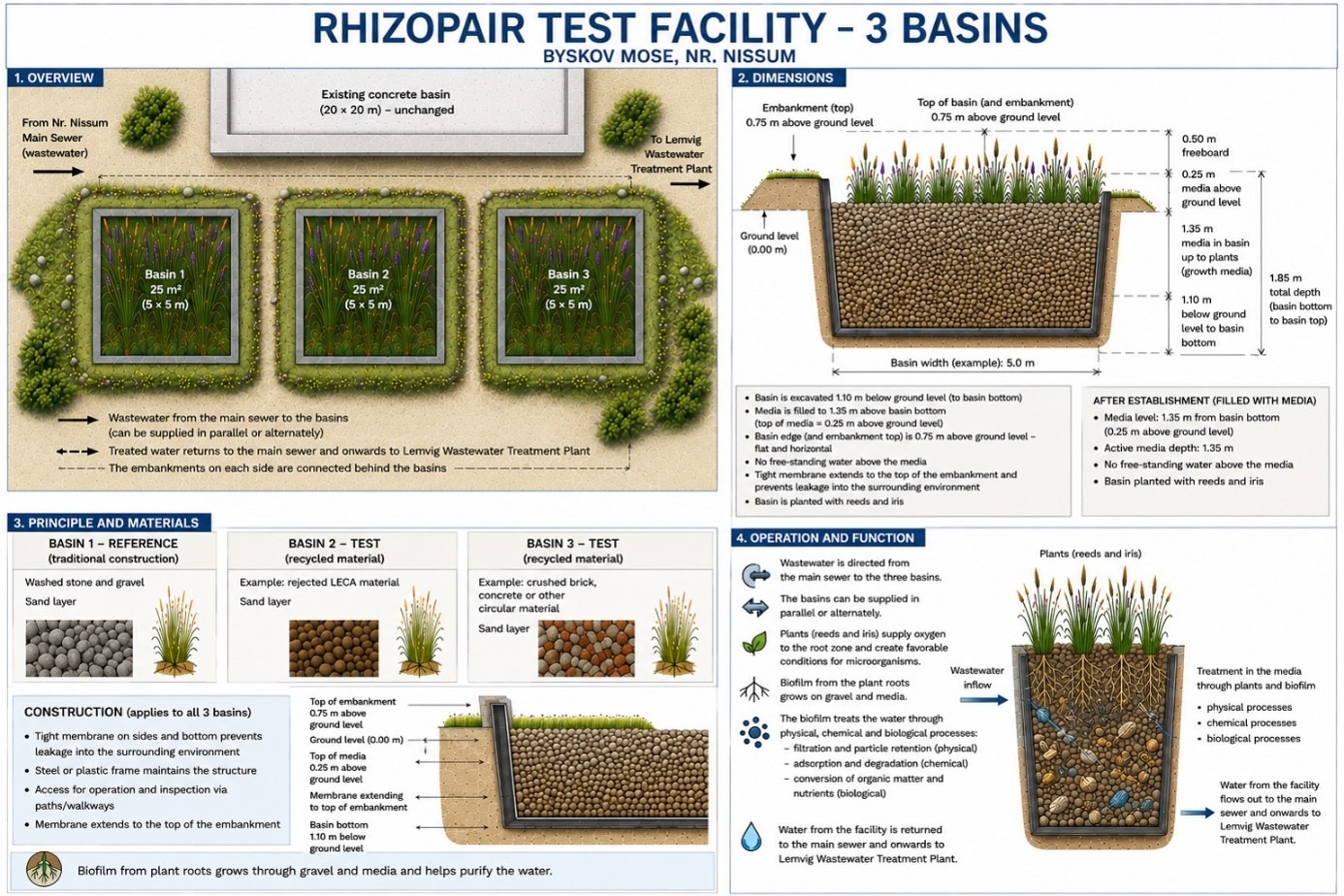
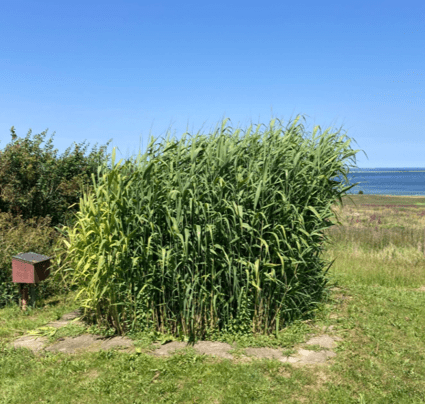
The pilot site will include three small-scale Rhizoph’air test systems installed next to an existing concrete basin at Gudumvej 26, Nr. Nissum. The systems are designed as closed and controlled test facilities, allowing researchers and partners to experiment with different wastewater concentrations and treatment scenarios without increasing environmental risk.
Type of Landscape:
Ecosystem :
The pilot facility is located at:
Byskov Mose Gudumvej 26, Nr. Nissum, Denmark
Project Purpose
The project addresses one of the major challenges facing wastewater infrastructure: combined sewage overflow (CSO) during periods of intense rain. During heavy precipitation, wastewater systems can become overloaded, causing diluted sewage to bypass treatment plants.
The pilot facility will test whether decentralized treatment using Rhizoph’air technology can help reduce pressure on central wastewater treatment plants by treating part of the flow locally before it reaches the main system.
The project aims to:
- 1
Demonstrate decentralized handling of diluted wastewater during rainfall events
- 2
Reduce hydraulic pressure on centralized treatment plants
- 3
Test nature-based treatment technologies under controlled conditions
- 4
Explore different wastewater mixing scenarios and concentrations
- 5
Create a demonstration and learning site for visitors, researchers, utilities, and companies
- 6
Support climate adaptation through resilient and sustainable water infrastructure
The Test Facility
The site will consist of three underground Rhizoph’air units, each approximately 5 x 5 meters in size. Wastewater will be supplied from the main sewer line, treated within the closed test systems, and then returned to the sewer network for final treatment at the Lemvig Wastewater Treatment Plant.
A dedicated mixing basin will allow controlled experimentation with different wastewater compositions, supporting research into how nature-based systems perform under varying conditions.
The installation is designed as a fully enclosed system to ensure safe operation and minimize any risk of environmental exposure.
Citizen Engagement and Local Collaboration
An important part of the project is ongoing citizen engagement and dialogue with people living near the facility. Local residents and stakeholders are being involved throughout the process to ensure transparency, gather valuable input, and support collaboration around the development of the pilot site.
Through workshops, dialogue activities, and site visits, the project seeks to build local understanding of nature-based wastewater solutions and create a shared foundation for sustainable water management initiatives in the area.
Demonstration, Learning, and Upscaling
Beyond research and testing, the facility is designed to function as a demonstration and learning platform for municipalities, utilities, researchers, companies, and decision-makers interested in innovative water solutions.
The pilot will serve as an important stepping stone for widening knowledge about decentralized nature-based wastewater treatment and for facilitating the future upscaling of similar systems in Denmark and across Europe.
By documenting performance, operational experience, and stakeholder involvement, the project aims to support broader implementation of resilient and climate-adaptive wastewater infrastructure.
The site has been selected for its suitability for testing, monitoring, and future demonstration activities connected to climate adaptation and water innovation.